How to Choose a Ranch Fencing Contractor
· By DTF Metal Buildings · Fencing
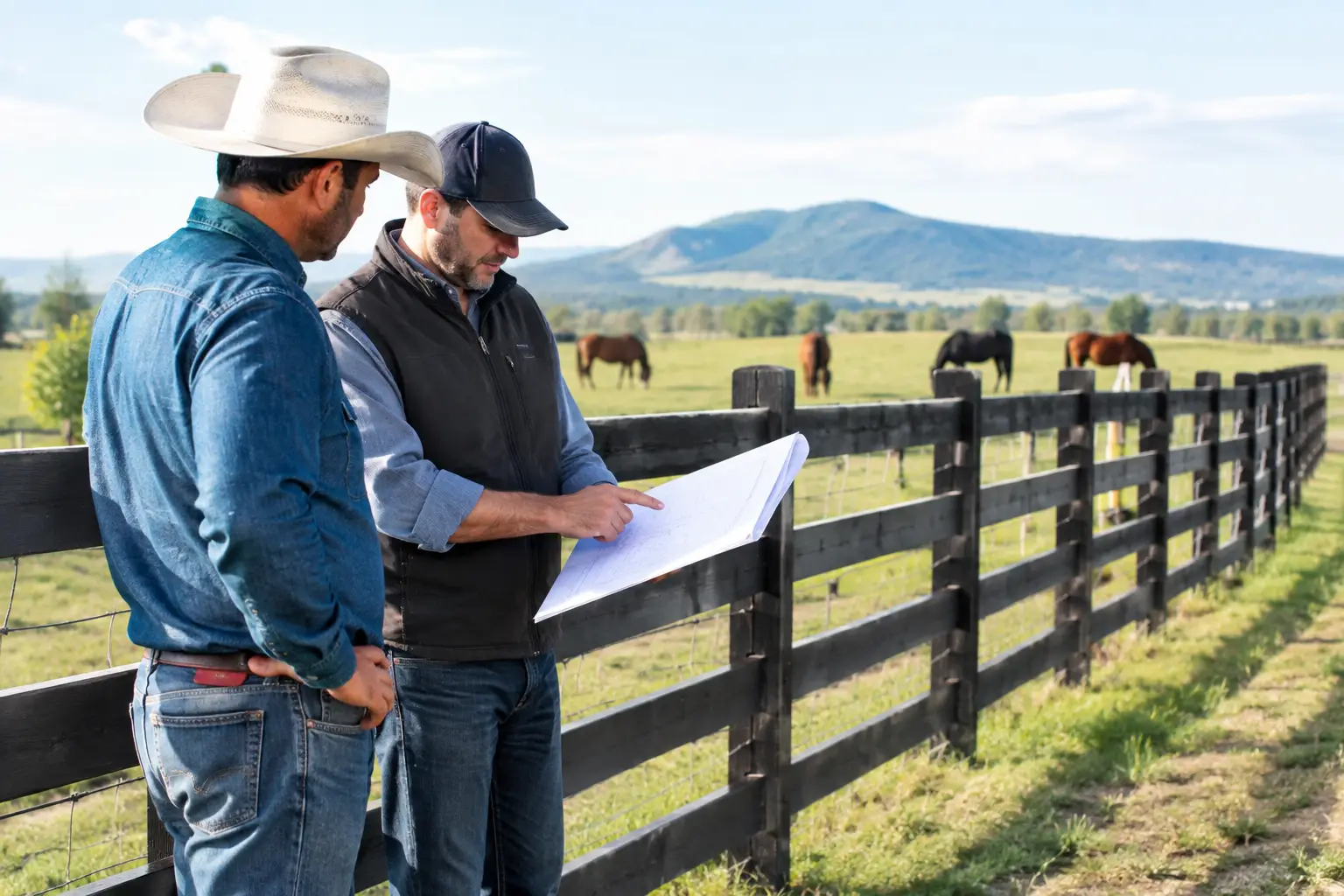
A ranch fence has to do more than mark a property line. It may need to keep cattle contained, separate grazing areas, protect a driveway entrance, control access to equipment, and stand up to South Texas heat, wind, uneven ground, and changing soil conditions. Choosing the right ranch fencing contractor starts with finding someone who asks how the land is used before recommending a fence type.
The lowest price can look attractive on a long fence run, but a poorly planned installation can lead to sagging wire, leaning posts, gates that drag, and expensive repairs long before the fence should need attention. A contractor should be able to explain the materials, post spacing, corner construction, gate layout, and site preparation behind the estimate - not just provide a per-foot number.
Start With the Job the Fence Must Do
Ranch fencing is not one product. The right design depends on livestock, security needs, terrain, traffic patterns, and the level of maintenance the owner is willing to take on. A fence intended for horses requires different spacing and visibility than a perimeter fence for cattle. A pipe entrance with an automatic gate has a different purpose than a barbed-wire cross fence between pastures.
Before requesting quotes, identify the basic scope: total linear footage, property boundaries, animal types, planned gates, creek crossings, elevation changes, and any areas where vehicles or equipment need access. It also helps to note whether the fence will connect to existing fencing or stand independently.
A capable contractor will use this information to recommend a practical system. That may include barbed wire, field fence, welded wire, no-climb horse fencing, cattle panels, pipe fencing, privacy fencing near a residence, or a combination of materials. There is no universal best choice. The right option is the one that matches the property’s daily use and long-term budget.
What a Ranch Fencing Contractor Should Evaluate on Site
A phone estimate may be useful for early budgeting, but final pricing should account for real field conditions. On rural property, the details that affect installation are often outside the obvious fence line.
Terrain, soil, and drainage
South Texas ranch land can change quickly from level open ground to rocky sections, compacted caliche, soft soil, or drainage swales. Posts must be set to suit the conditions. A contractor should look at access for crews and equipment, slopes that affect wire tension, low areas that collect water, and places where erosion could undermine a fence over time.
Drainage deserves particular attention. Water moving under or around a fence may create washouts, especially near crossings and low spots. In some locations, the design may need adjusted spacing, stronger bracing, or a purpose-built crossing solution rather than a standard run of wire.
Corners, braces, and end assemblies
Fence strength begins at the corners and ends. Long wire runs place significant pull on those assemblies, so undersized or poorly braced corners can cause the entire line to lose tension. Ask how the contractor builds H-braces, corner braces, and gate-end assemblies, and what materials they use for each application.
Pipe corners and gates can provide durable, highly visible anchor points where livestock pressure, traffic, or appearance matters. Treated wood posts may be appropriate for other agricultural applications. The best material depends on the fence style, site conditions, and desired service life.
Gates and daily access
A gate location that looks fine on a sketch can become frustrating once trailers, tractors, feed trucks, or emergency vehicles need to pass through it. Gate width should match the largest equipment expected to use that entrance. Swing direction, slope, latch location, and clearance from corners all affect whether a gate works well in practice.
For ranch entries, consider whether a manual swing gate, tube gate, ranch-style pipe entrance, cantilever gate, or automatic operator is appropriate. Automatic access adds convenience and security, but it also requires planning for power, controls, safety devices, and ongoing service.
Compare Fence Quotes Beyond the Price Per Foot
A complete quote should make it possible to compare one contractor’s scope with another. If one estimate simply lists a total footage and another identifies materials, post spacing, gate sizes, corner assemblies, removal work, and site assumptions, the more detailed proposal is usually the better starting point.
Ask whether the quote specifies the gauge and style of wire, post type and diameter, post depth, spacing between line posts, number of strands, and hardware. For pipe fencing, confirm the pipe size, wall thickness when applicable, rail count, finish, and whether painting or coating is included. Small specification differences can change both the upfront price and the expected lifespan of the installation.
Also clarify what is excluded. Brush clearing, demolition of old fencing, rock excavation, hauling, grading, utility locates, and permit requirements may affect the final cost. A transparent contractor will explain these variables early instead of treating them as surprises after work begins.
Verify Experience, Insurance, and Project Management
A ranch fence may appear straightforward, but the installation often involves property lines, utility awareness, heavy materials, equipment access, and livestock management. Experience matters most when the conditions are not straightforward.
Ask a contractor how they handle layout verification, existing fence tie-ins, difficult ground, and changes discovered during installation. They should be comfortable discussing scheduling, crew access, material lead times, cleanup, and the process for approving scope changes.
Insurance is another practical checkpoint. Contractors working with equipment and excavation tools should carry appropriate coverage, and customers should not hesitate to ask for confirmation. If gates, electrical operators, concrete work, or structural pipe features are part of the project, make sure the contractor can coordinate that work rather than leaving the owner to manage separate trades.
For property owners planning a barn, equipment shelter, workshop, or barndominium, it can be useful to work with a company that understands the larger site plan. DTF Metal Buildings & Fencing can coordinate fencing with building access, concrete approaches, equipment routes, and entry layouts so decisions made for one project do not complicate the next.
Know When Premium Materials Are Worth It
Not every fence line needs the highest-cost materials. A remote pasture boundary may be well served by a properly installed agricultural wire fence, while a highly visible ranch entrance may justify pipe fencing, decorative elements, and a more substantial gate system.
Spend more where failure would create a serious problem: corners under high tension, livestock handling areas, road-facing frontage, gate openings, and places exposed to frequent traffic. Better bracing, stronger posts, heavier-duty hardware, and quality gates often pay off in these locations.
It also helps to think in terms of maintenance. Some materials have a lower initial cost but require periodic tightening, repairs, or replacement as animals lean on them and weather takes its toll. A higher initial investment can be reasonable when it reduces future service calls or protects valuable livestock and equipment.
Questions to Ask Before Signing a Contract
A good contractor should answer direct questions without vague promises. Before work starts, make sure you understand the following:
- What fence type and material specifications are included?
- How will corners, braces, gates, and transitions be built?
- What site conditions could change the price or schedule?
- Who is responsible for verifying fence alignment and access points?
- How will existing fencing, brush, and debris be handled?
- What workmanship warranty or follow-up process is provided?
The answers should be reflected in the written scope. Verbal discussions are useful, but the contract should identify what will be installed, where it will be installed, and how changes will be approved.
Plan the Fence Around the Property You Will Have Later
The best time to plan future gates, utility access, and building entrances is before the fence is installed. Even if a new barn, arena, home, or equipment yard is several years away, reserving the right access points now can prevent unnecessary removal and rework later.
Walk the property with your contractor, look at the fence from the perspective of livestock and equipment, and ask what will still make sense after the next phase of your ranch takes shape. A well-built fence should make the land easier to use every day, not limit what you can build tomorrow.