Do You Need A Permit For A Metal Building? Size & Zoning
· By DTF Metal Buildings · Metal Buildings
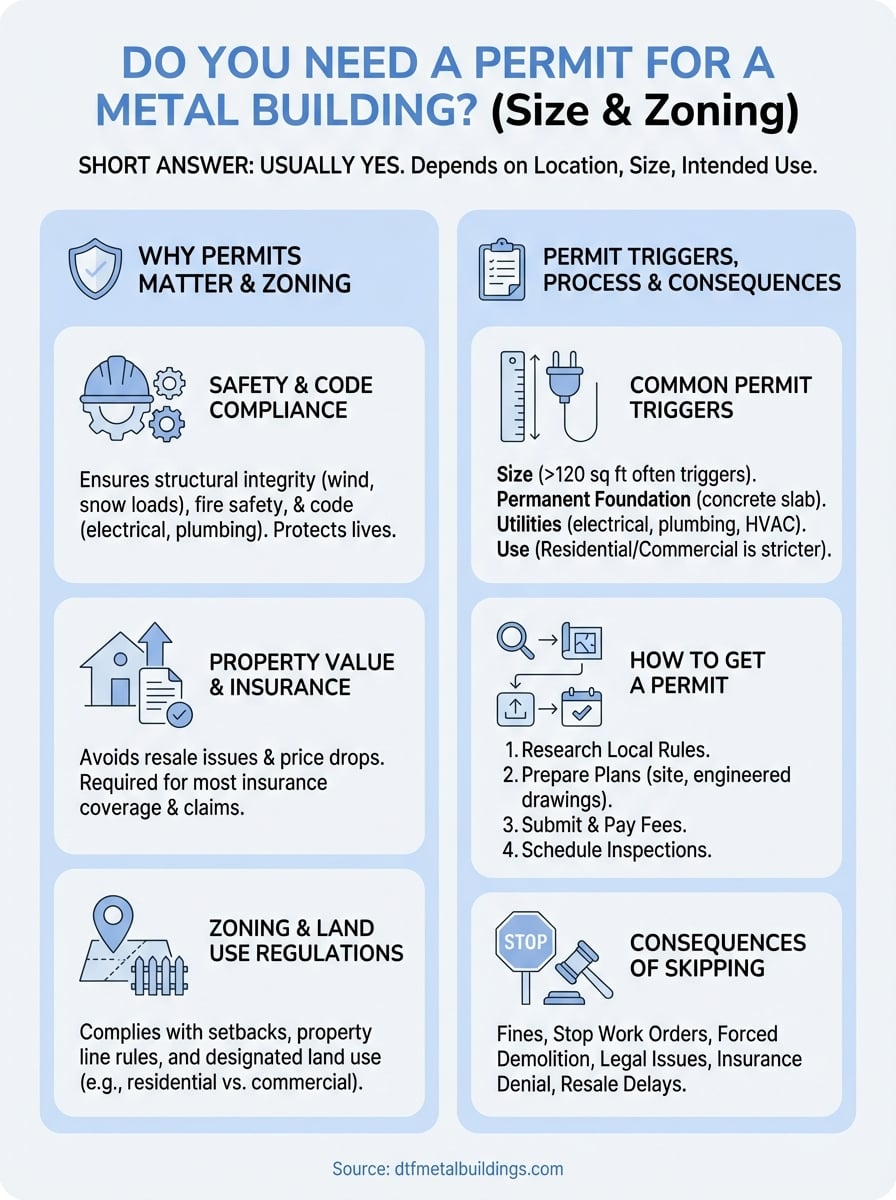
You've got the land, you've picked out the perfect spot, and you're ready to put up a metal building. But before you break ground, there's one question you need to answer: do you need a permit for a metal building? The short answer is usually yes, but the specifics depend on your location, the size of your structure, and what you plan to use it for.
Skipping the permit process might seem like a way to save time and money, but building without proper authorization can lead to fines, forced demolition, or complications when you try to sell your property. Local building codes and zoning regulations exist for good reasons, and understanding them upfront protects your investment.
At Droptine Metal Buildings, we've spent over 15 years constructing metal structures across South Texas, from barndominiums and workshops to commercial warehouses. We've guided countless property owners through the permitting process and know exactly what Texas municipalities typically require. This guide breaks down permit requirements by building size, explains zoning considerations, and walks you through what happens if you skip the paperwork.
Why permits and zoning matter for metal buildings
Building permits and zoning regulations aren't bureaucratic obstacles designed to slow you down. They exist to protect your safety, ensure structural integrity, and maintain property values across your community. When you understand the reasoning behind these requirements, the permitting process makes a lot more sense.
Safety and code compliance
Safety standards in building codes address structural loads, electrical wiring, plumbing connections, and fire safety measures. Your metal building needs to withstand wind loads, snow accumulation, and seismic activity specific to your region. Permits trigger inspections that verify your foundation can support the structure's weight and that all installations meet minimum safety thresholds. These standards protect you, your family, and anyone who enters your building.
"Building codes exist to prevent structural failures, electrical fires, and other hazards that put lives at risk."
Your insurance company also cares deeply about permits. Most homeowner and commercial property policies require permitted construction to maintain coverage. If you file a claim for damage to an unpermitted structure, your insurer can deny the claim entirely. This leaves you financially exposed if fire, storm damage, or other disasters strike your metal building.
Property value protection
Your property's resale value takes a hit when you construct unpermitted buildings. Potential buyers often walk away from properties with code violations, and those who remain interested will demand significant price reductions. Title companies flag unpermitted structures during closing, which can delay or cancel real estate transactions entirely. Even if you plan to keep your property forever, unpermitted buildings create complications for heirs who inherit the land.
Banks and lenders consider permits when approving construction loans or refinancing applications. An unpermitted metal building can reduce your borrowing capacity or disqualify you from certain loan programs. Financial institutions view unpermitted structures as liability risks rather than valuable assets.
Zoning and land use regulations
Zoning laws dictate where you can place structures on your property, how close buildings can sit to property lines, and what activities you can conduct inside them. Setback requirements typically mandate minimum distances from roads, neighboring properties, and utility easements. When you ask yourself "do you need a permit for a metal building," you're also asking whether your planned location complies with these spatial rules.
Proper permitting ensures your metal building matches your property's designated land use, whether that's residential, agricultural, commercial, or industrial. Operating a business from a metal workshop in a residentially zoned area without the right permits can trigger cease and desist orders from your municipality. Zoning compliance protects both your rights and your neighbors' reasonable expectations about property use.
When a metal building needs a permit
Most metal buildings require permits regardless of size, but specific requirements vary dramatically between municipalities. The question "do you need a permit for a metal building" doesn't have a universal answer because each county, city, and township sets its own rules. Your local building department maintains the final authority on permit requirements, and what applies to your neighbor across the county line might not apply to your property.
Size triggers permit requirements
Building size serves as the primary trigger for permit requirements across most jurisdictions. Structures smaller than 120 square feet often qualify as accessory buildings that need minimal or no permitting in rural areas. This threshold covers small storage sheds and equipment shelters that don't include plumbing or electrical systems. Once you exceed this square footage, permits become mandatory in nearly all incorporated areas.
Permanent foundations almost always trigger permit requirements regardless of building size. Concrete slabs, pier and beam systems, or other permanent anchoring methods signal to your building department that you're constructing a lasting structure. Temporary buildings on skids or gravel pads sometimes receive exemptions, but moving a metal building later doesn't erase the fact that you operated without required permits.
"Any structure with electrical wiring, plumbing connections, or HVAC systems requires permits in virtually every U.S. jurisdiction."
Intended use determines permit needs
Your planned activities inside the metal building affect permit classifications and requirements. Residential occupancy, commercial operations, and agricultural storage each fall under different code sections with unique standards. A workshop where you tinker on weekends faces different scrutiny than a metal building where you run a business or live full-time. Barndominiums require the most extensive permits because they combine residential electrical, plumbing, and HVAC systems with structural considerations.
Common size and use thresholds to know
Understanding specific thresholds helps you determine whether your project requires permits before you start planning. Square footage limits, height restrictions, and use classifications vary between jurisdictions, but certain patterns appear consistently across Texas and the broader United States. When you ask "do you need a permit for a metal building," these common benchmarks provide a starting point for your research.
Square footage exemptions
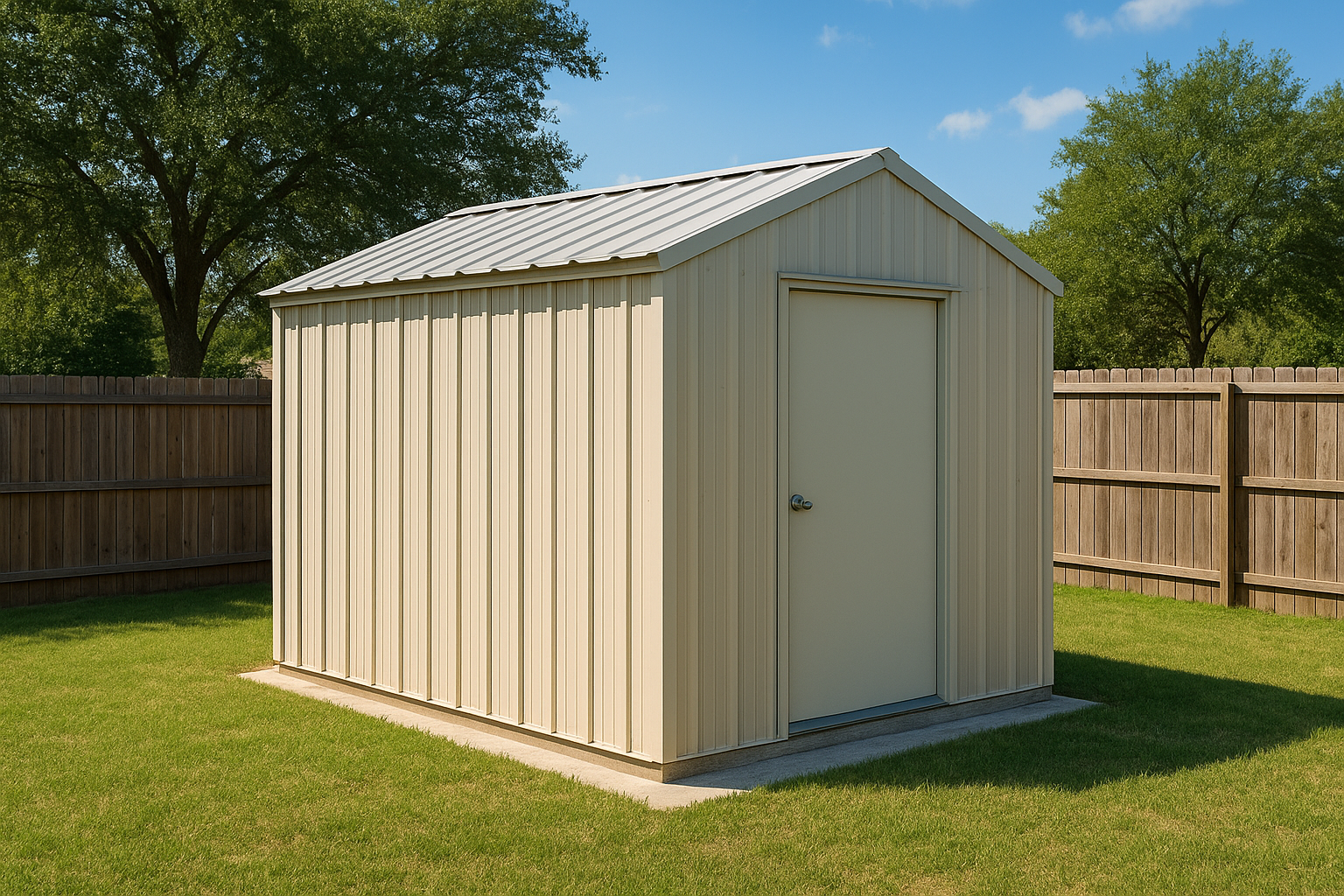
Buildings under 120 square feet typically qualify for permit exemptions in unincorporated areas, though you still need to verify with your county. This size covers basic storage sheds roughly 10 feet by 12 feet. Incorporated cities often set stricter limits, with some requiring permits for anything exceeding 100 square feet. Austin, San Antonio, and Houston maintain different thresholds even though they're all in Texas, which demonstrates why you can't rely on neighboring jurisdictions as guides.
Agricultural exemptions sometimes allow larger structures without traditional permits. Farm buildings used exclusively for crop storage or livestock shelter may reach 1,000 square feet or more before triggering permit requirements in agricultural zones. These exemptions disappear the moment you add electrical service, running water, or use the space for non-agricultural purposes like vehicle repair.
"Height restrictions typically cap permit-exempt structures at 12 to 15 feet, measured from grade to peak."
Use-based permit requirements
Residential occupancy demands the most comprehensive permitting regardless of size. Living quarters require electrical inspections, plumbing permits, HVAC approvals, and final occupancy certificates before anyone can legally reside there. Commercial operations need business permits layered on top of construction permits, particularly when your metal building serves customers or houses employees. Manufacturing activities trigger additional environmental and safety reviews that extend the permitting timeline by weeks or months compared to simple storage buildings.
How to get a permit for a metal building
Getting a permit for your metal building involves several steps that vary by jurisdiction, but the core process remains consistent across most Texas municipalities. You'll research local requirements, prepare documentation, submit your application, and coordinate inspections. The timeline typically runs between two to eight weeks depending on your project's complexity and your building department's workload.
Research your local requirements
Start by contacting your county or city building department directly to confirm what permits you need. Request a permit packet or checklist that outlines specific documentation requirements for metal buildings. Your building department can clarify whether agricultural exemptions apply, what setback distances you must maintain, and if homeowner association approvals are required before filing.
"Building departments provide free consultations that save you time and prevent costly application rejections."
Check zoning regulations separately from building permits because zoning approval often serves as a prerequisite for permit issuance. Verify that your planned metal building complies with lot coverage limits, height restrictions, and permitted uses for your property's zoning classification.
Prepare documentation and plans
Gather engineered drawings that show foundation specifications, structural framing details, and load calculations for your metal building. Most jurisdictions require stamped plans from licensed engineers for structures exceeding 200 square feet or when you answer "yes" to the question do you need a permit for a metal building based on local rules. Site plans must indicate property lines, existing structures, utility locations, and your proposed building's placement with exact measurements from boundaries.

Collect your property deed, survey documents, and proof of ownership before submitting applications. Some municipalities also request HOA approval letters or neighbor notifications for buildings within certain distances of property lines.
Submit and track your application
File your completed application with all required documentation at your building department's permitting office. Pay attention to fee structures that typically range from $200 to $800 based on project valuation and square footage. Building officials review submissions for code compliance and may request revisions before issuing permits.
Schedule inspections at key construction phases including foundation, framing, electrical rough-in, and final completion. Keep your permit posted visibly at the construction site and notify inspectors 24 to 48 hours before each required inspection milestone.
What happens if you build without a permit
Building a metal structure without permits creates serious legal and financial problems that escalate over time. Your county or city building department can issue stop work orders the moment they discover unpermitted construction, which halts your project immediately and leaves materials exposed to weather. Ignoring the question "do you need a permit for a metal building" doesn't exempt you from consequences when authorities eventually discover the violation.
Financial penalties and legal consequences
Municipalities assess fines ranging from $500 to $1,000 per day that unpermitted construction remains in place. These penalties accumulate quickly and can exceed the cost of obtaining permits correctly from the start. Your building department may require you to dismantle portions of completed work so inspectors can verify that hidden structural elements, electrical wiring, and plumbing meet code requirements.
"Retroactive permitting often costs two to three times more than following the proper sequence from the beginning."
Courts can issue injunctions that prevent you from using your metal building until you obtain proper permits and pass all required inspections. Legal fees compound your financial losses when municipalities file enforcement actions against your property. Some jurisdictions place liens on properties with unpermitted structures, which block refinancing or sale until you resolve all violations.
Property complications and resale issues
Title companies flag unpermitted buildings during standard property searches, which triggers contingencies that delay or cancel real estate transactions. Buyers who discover unpermitted structures demand price reductions averaging 10 to 20 percent of the building's value or walk away entirely. Your homeowner's insurance policy may deny coverage for unpermitted structures, leaving you financially exposed if fire, storms, or other disasters damage your metal building.
Banks refuse to include unpermitted structures in property valuations when calculating loan amounts for mortgages or home equity lines of credit. Your borrowing capacity shrinks because lenders view unpermitted buildings as liabilities rather than assets that increase property value.
Next steps
Answering the question "do you need a permit for a metal building" starts with contacting your local building department to verify specific requirements for your property. Bring your site plan, proposed building dimensions, and intended use when you visit to get accurate guidance. Most jurisdictions provide free consultations that clarify permit needs before you invest time and money in your project.
Research your property's zoning classification and verify setback distances from property lines, roads, and utility easements. Check for homeowner association restrictions if your property falls within an HOA boundary, as these rules often exceed municipal requirements. Understanding these details upfront prevents costly redesigns or permit denials that delay construction.
Droptine Metal Buildings has guided South Texas property owners through permitting for over 15 years. We know exactly what local municipalities require and can help you navigate the process from initial planning through final inspection. Contact us today to discuss your metal building project and get a free quote within 24 hours.